Born to Bet: How Five American Cities Produced Five Completely Different Breeds of High Roller
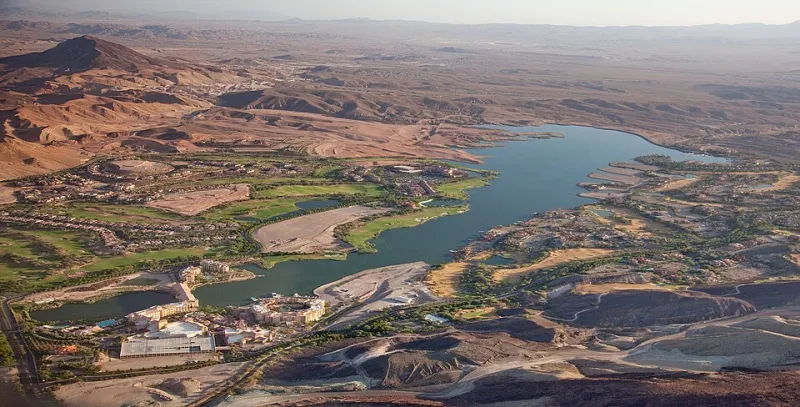
Photo: Carol M. Highsmith, Public domain, via Wikimedia Commons
Spend enough time around high-stakes tables and a pattern emerges: players from the same city tend to play alike. Not because of some genetic lottery, but because gaming culture — like barbecue or traffic — is deeply regional. Where a player learned the game shapes how they size their bets, when they press, and how they lose. Here is an opinionated tour of the five American cities that have produced the country's most distinctive high-stakes temperaments.
Las Vegas: The Volume Machine
Vegas players learned the game in the world's most competitive fishbowl, and it shows. The local style is relentless volume — aggressive pre-flop pressure, constant position play, and a casual relationship with variance that borders on zen. A Vegas pro who folds for an hour is a Vegas pro who's losing money in their own mind.
The tell: They press early and often. The weakness: Patience is a borrowed virtue, and it expires.
Miami: The Feel Player's Paradise
Miami's high-stakes rooms run on charisma. The city's players — shaped by an international, image-conscious, late-night culture — are flow-based gamblers who trust instinct over spreadsheet. They are spectacular in big pots and maddening in small ones, capable of folding a monster on a hunch and shipping three buy-ins on momentum alone.
The tell: Table talk that's actually reconnaissance. The weakness: Discipline during downswings, when the party mood sours.
Atlantic City: The Survivor's Calculus
The East Coast school was forged in a harder market — one that contracted, consolidated, and demanded efficiency. Atlantic City players are the tightest, most bankroll-conscious contingent in America. They respect the rake, respect the grind, and respect the exit. Where a Vegas player sees a marginal spot, an AC player sees a trap.
The tell: Early folds that seem too cautious — until the trap springs. The weakness: They can be run over by players willing to apply sustained pressure.
Dallas: The Businessman's Patience
Dallas money approaches gaming the way it approaches oil and real estate: wait for the asymmetric opportunity, then commit decisively. Texas high rollers are famously quiet, famously selective, and famously dangerous when the situation finally justifies their capital. They will fold for four hours and then make one decision that defines the entire night.
The tell: Stillness. Real stillness. The weakness: Predictable timing — their aggression arrives on a schedule.
Los Angeles: The Meta Chameleon
LA players consume strategy content the way the rest of the country consumes streaming television, and their game evolves monthly. The city's style is adaptive, solver-influenced, and perpetually chasing the current meta. The risk is that they're always slightly ahead of the average game and slightly behind the truly elite one — fluent in theory, occasionally allergic to exploitation.
The tell: Bet sizing that looks like it came from a textbook. Because it did. The weakness: Opponents who refuse to play the theoretically correct way.
Why Geography Still Matters in a Digital Age
Skeptics will note that online play and national circuits have blurred these lines — and they have. But home environments are sticky. Bankroll philosophy, risk tolerance, and emotional regulation are learned early and locally, and they travel with the player long after the zip code changes.
For the aspiring VIP, the strategic implication is straightforward: identify your own regional default, then decide deliberately whether it serves you. The best players in every city share one trait — they know exactly which parts of their hometown style to keep, and which parts to outgrow.